When you create custom apparel, the fabric you choose is a critical factor in the look, feel and performance of the final product. Different fabrics react differently to screen printing, DTF printing and embroidery. Here is how your choice of fabric affects the outcome.
Screen printing
Screen printing is a popular technique for creating vibrant and durable designs on apparel. The choice of fabric plays a significant role in the success of the print.
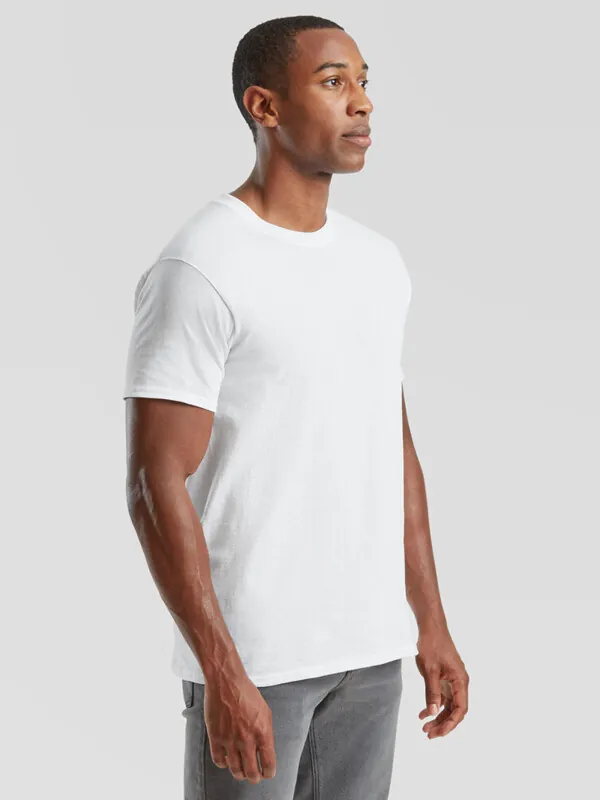
- Cotton. A preferred choice for screen printing due to its smooth surface and high absorbency. It allows for crisp and vibrant prints with excellent colour retention.
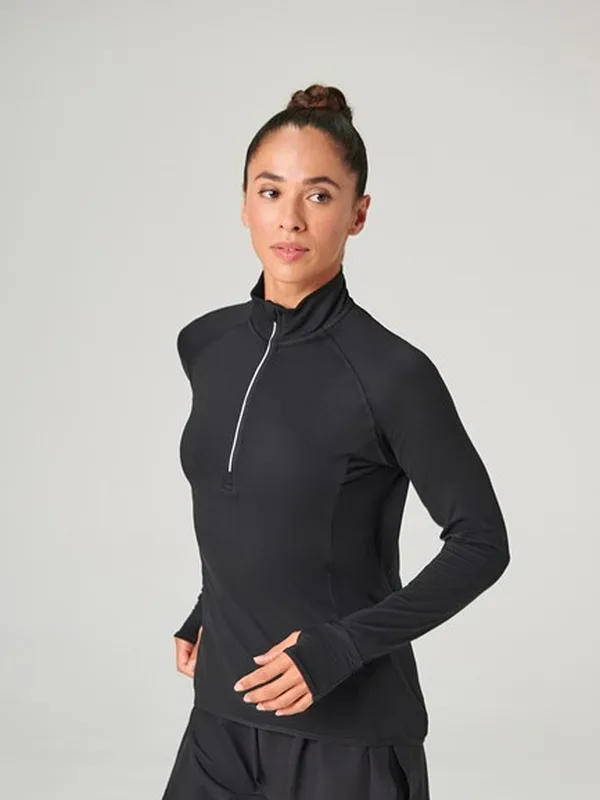
- Polyester. Polyester can also be screen printed, but it requires special inks. Its smooth texture gives sharp and colourful prints, making it a suitable choice for sportswear and performance apparel.
DTF printing (direct to film)
DTF printing is known for its ability to produce intricate, full colour designs with remarkable durability. Different fabrics can affect the results.
- Cotton blends. Well suited to DTF printing. They offer a smooth and consistent surface, allowing for detailed and vibrant prints.
- Polyester. Compatible with DTF printing, with excellent colour reproduction. Often used for sports jerseys, activewear and promotional items.
Embroidery
Embroidery is a classic and timeless method for customising apparel. It is highly versatile, but the fabric selection is crucial.
- Cotton. An ideal choice for embroidery. Its natural fibres create a sturdy base, so the stitches hold up well over time.
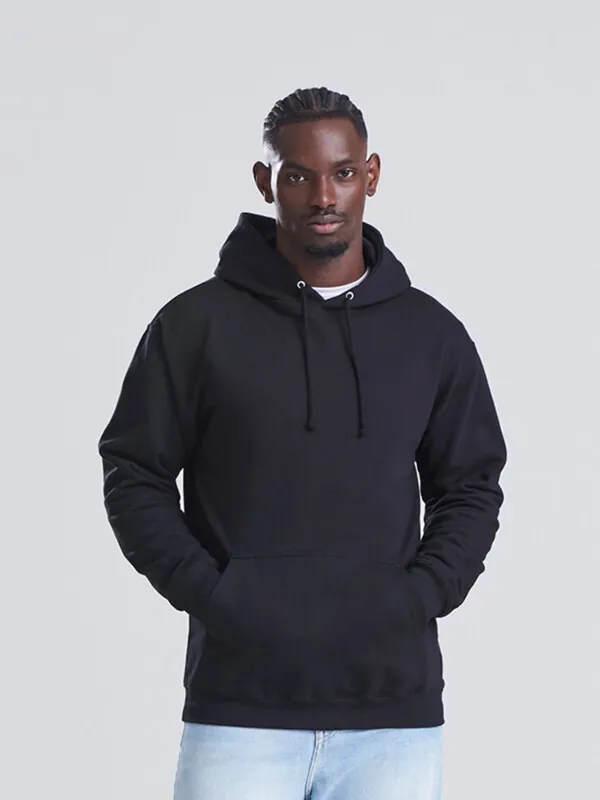
- Fleece. A soft and warm surface, suitable for embroidered designs on outerwear and sweatshirts.
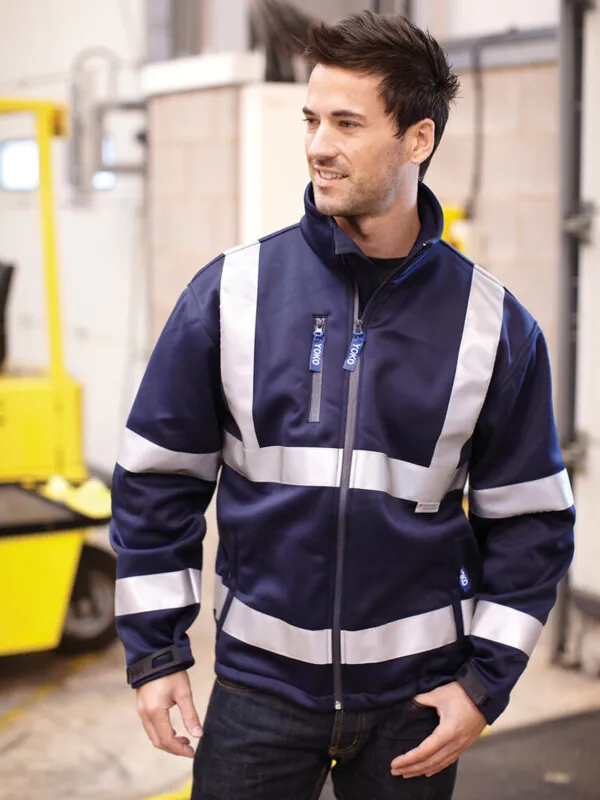
- Denim. A durable fabric that can handle intricate embroidery. Commonly used for personalised jeans, jackets and workwear.
What each material is like to wear
- Cotton. Known for its softness and breathability. Comfortable to wear, and it allows for vivid and long lasting prints or embroidery.
- Polyester. Prized for its moisture wicking properties, which makes it an excellent choice for sportswear. It may need specialised inks for certain printing processes.
- Blends. Cotton and polyester blends are popular because they offer comfort and durability, which makes them versatile for different decoration methods.
- Fleece. Warm and cosy, ideal for adding embroidery to outerwear and hoodies.
- Denim. Rugged and hardwearing, perfect for embroidered logos and designs with a vintage appeal.
In short
Different printing and embroidery processes work best with specific fabrics, and understanding their properties helps you get the result you want. If you are not sure which garment suits your design, ask us and we will guide you to the best fabric for your project.