Pick up a polo with a stitched logo and one with a printed logo. One feels like a uniform, the other feels like a giveaway. That difference is why embroidery is the method we are asked for most on workwear, caps and anything a business wears to meet customers. Here is what to know before you order.
Key takeaways
- Embroidery stitches thread into the fabric. It does not peel, crack or fade.
- The price depends on stitch count and logo size, not on how many colours you use.
- It suits polos, caps, beanies, jackets, hoodies and workwear. Fleece can only be embroidered.
- A left chest logo is far cheaper than a full back.
- Embroidered orders ship within 7 to 15 working days of a confirmed order.
How it works
There are three steps.
- Digitising. Your artwork is turned into instructions the machine understands: every needle path, stitch type and thread colour change.
- Setup. The garment is framed in a hoop and loaded into one of our automated machines, programmed with your design.
- Stitching. The design is stitched in the right colours at the right stitch counts. Clean, durable, and it feels premium.
What decides the price
Two things: stitch count and logo size. A bigger design has more stitches, and more stitches take longer.
That is why a small left chest logo costs significantly less than a large design stitched across the back. If you are weighing up positions, the chest is the economical one.
What does not change the price is colour. Unlimited thread colours at no extra cost, which makes embroidery a good fit for school crests, club badges and multi colour logos.
Which garments suit it
Embroidery works on most fabrics and is the right call for:
- Polos and shirts for staff, teams and events.
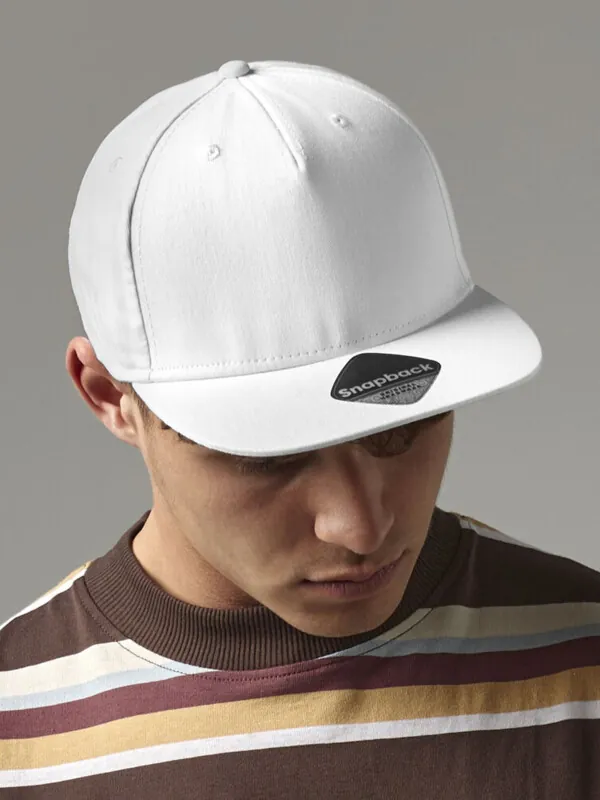
- Caps and beanies, where print struggles with the shape.
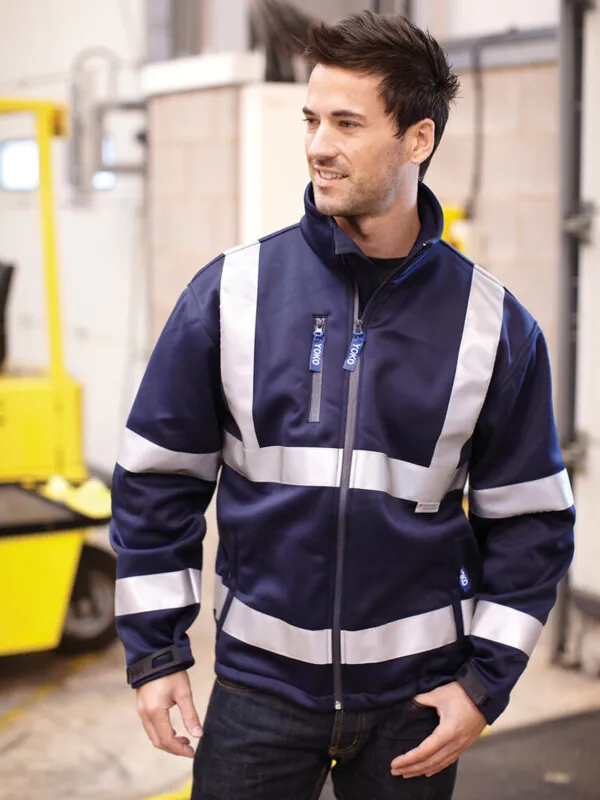
- Jackets, softshells and hi vis for workwear and uniforms.
- Hoodies and sweatshirts when you want a premium finish.
One rule to know: fleece can only be embroidered. The pile of the fabric does not take print well, so a fleece jacket is always a stitched job.
Cotton is an ideal base, since its natural fibres hold the stitches well over time. Browse the workwear and headwear ranges to see what is available.
When to choose print instead
Embroidery is not the answer to everything.
- Photographs and gradients cannot be stitched. That is a job for DTF printing.
- Very large designs across a full back get expensive in stitches. Print is usually the better value.
- Fine detail and tiny text get lost in thread. Simplify the logo, or print it.
If you are unsure, tell us the garment and the artwork and we will point you at the right method. Our help centre has the short version.
Three finishes worth knowing
- 3D puff. Foam under the stitching gives a raised, padded effect. Popular on caps and bold lettering.
- Cross stitch. The traditional X shaped stitch, done by machine. Good for patterns, borders and geometric shapes.
- Embroidered patches. Your design stitched onto a durable base such as twill, trimmed and ready to apply to anything.
How long it takes
Embroidered orders are dispatched within 7 to 15 working days of a confirmed order. An order is confirmed once we have your payment and your artwork. You see a visual of the design before anything is stitched.
Frequently asked questions
- Is there a minimum order for embroidery? No. One cap or one polo is fine.
- What file do you need? A PNG, JPG, GIF or TIF, as large as you have. We digitise it from there.
- Can you embroider on my own garments? Ask us. Send the garment type and fabric and we will tell you.
- Does embroidery wash well? Yes. It is stitched into the fabric, so it will not peel, crack or fade, even after years of washing.
- Can I have print and embroidery on the same garment? Yes, the online designer lets you combine both in one design.
Want a figure? Ask for a price with the garment, the quantity and the logo, and we will tell you the stitch count and the cost.